Opposite of Benefit: Meaning, Examples, Synonyms, and Usage Guide
The phrase “opposite of benefit” refers to something that causes harm, disadvantage, loss, or other negative consequences rather than providing help or value. Understanding antonyms of benefit is important for improving vocabulary, communication, and writing skills.
Whether you are a student, writer, or language learner, knowing the opposite meaning of benefit can help you express ideas more accurately. This guide explains the meaning, examples, synonyms, and practical usage of the opposite of benefit in everyday English.
What Does Benefit Mean?
Benefit is a noun or verb that refers to an advantage, profit, help, or positive result gained from something. People often use the word benefit when discussing improvements, rewards, or favorable outcomes.
For example, exercise benefits health because it improves physical fitness and mental well-being. Understanding the meaning of benefit helps us identify its opposite more clearly and use the correct words in different situations.
What Is the Opposite of Benefit?
The most common opposite of a benefit is harm. Harm refers to damage, injury, or negative effects caused by an action, situation, or object. While a benefit improves conditions or provides value, harm creates problems or disadvantages.
Depending on the context, other opposites such as disadvantage, loss, damage, or drawback may also be appropriate. Choosing the right antonym depends on the specific sentence and intended meaning.
Common Opposites of Benefit
Several words can serve as opposites of benefit. Harm is the most direct antonym, while disadvantage describes an unfavorable condition. Loss refers to something valuable being taken away, and damage indicates physical or emotional destruction.
Drawbacks highlight a negative aspect of a situation. Learning these alternatives helps expand vocabulary and improve both spoken and written communication skills.
Harm as the Main Opposite of Benefit
Harm is the word most frequently used as the direct opposite of benefit. It describes actions or situations that negatively affect people, animals, or the environment. For example, smoking harms health instead of benefiting it. Understanding this contrast helps learners recognize how positive and negative outcomes are expressed in English. Harm is widely accepted in academic, professional, and everyday contexts.
Difference Between Benefit and Harm
Benefit and harm represent opposite outcomes. Benefit leads to improvement, growth, or advantage, whereas harm causes damage, pain, or loss. For example, healthy eating benefits the body, while excessive junk food can cause harm. Recognizing the distinction between these terms makes communication clearer and allows speakers to describe both positive and negative effects accurately.
Benefit vs Disadvantage
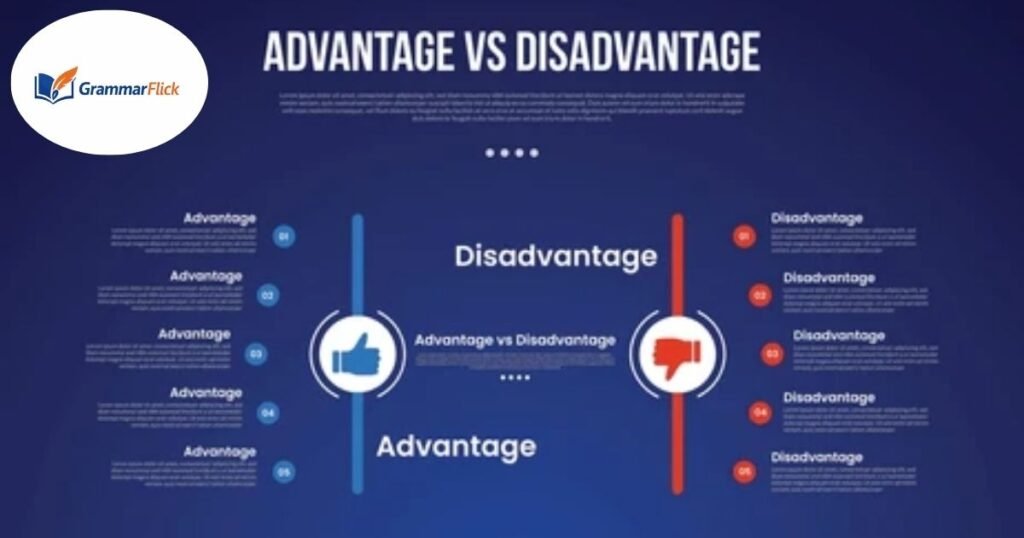
A benefit provides an advantage, while a disadvantage creates difficulty or limitation. For instance, working remotely offers the benefit of flexibility, but it may also have the disadvantage of reduced social interaction. These words are often used when comparing the pros and cons of a decision. Understanding this contrast helps people evaluate different situations more effectively.
Benefit vs Loss
Benefit involves gaining something valuable, whereas loss means losing something important. A successful investment may bring financial benefits, while a poor investment can result in losses. These words are frequently used in business, economics, and everyday discussions. Knowing when to use benefit or loss helps communicate outcomes with greater precision.
Benefit vs Damage
Damage refers to physical, emotional, or financial destruction, making it a strong opposite of benefit in many contexts. For example, regular maintenance benefits a vehicle, while neglect may cause damage. Understanding this relationship helps explain how actions can produce either positive or negative consequences over time.
Examples of Opposite of Benefit in Sentences
Examples make understanding easier. Consider these sentences:
- Exercise provides benefits to overall health.
- Smoking causes harm to the lungs.
- Good education benefits society.
- Crime creates disadvantages for communities.
- Careful planning brings benefits.
- Poor decisions may result in losses.
Synonyms of Benefit
Benefit has several useful synonyms. These include advantage, gain, profit, help, improvement, value, and reward. Each synonym carries a slightly different meaning depending on the context. Learning these alternatives enriches vocabulary and allows speakers to express positive outcomes more effectively in conversations and writing.
Synonyms of Harm
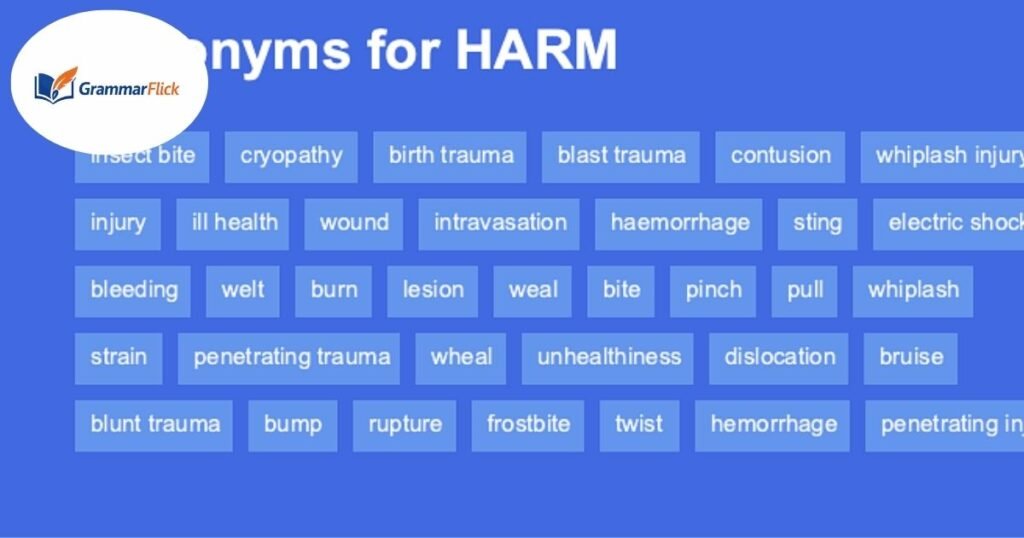
Just as benefit has synonyms, harm also has related words. Common synonyms include damage, injury, detriment, disadvantage, impairment, and hurt. These words describe various forms of negative impact. Understanding these synonyms helps writers avoid repetition and choose the most suitable word for a particular situation.
Why Learning Opposites Improves Vocabulary
Learning opposites strengthens language skills by helping people understand word relationships. Antonyms make it easier to remember vocabulary and use words correctly in context. When learners know both the benefits and the harms, they can communicate ideas more accurately. This approach also improves reading comprehension and writing quality.
Opposite of Benefit in Academic Writing
Academic writing often requires discussing both positive and negative effects. Writers may use benefit to describe advantages and harm, and ” disadvantage, to describe negative outcomes. Choosing the correct opposite ensures clarity and precision. This skill is especially important in research papers, reports, and analytical essays.
Opposite of Benefit in Business Communication
In business settings, understanding the opposite of benefit helps evaluate risks and opportunities. Companies discuss benefits when highlighting advantages and use terms like loss, risk, or disadvantage when describing potential problems. Accurate language helps organizations make informed decisions and communicate effectively with employees, customers, and stakeholders.
Read More: Tools That Start With D: Discover the Most Useful D-Named Tools for Work and Productivity
Opposite of Benefit in Everyday Conversations
People use benefits and their opposites in daily life without realizing it. For example, a person may say that healthy habits benefit their well-being, while unhealthy habits cause harm. Understanding these common expressions improves communication and helps speakers explain situations more clearly in personal and professional discussions.
How to Choose the Correct Opposite
The correct opposite depends on context. If discussing physical injury, harm may be best. When talking about unfavorable conditions, disadvantage works well. For financial situations, loss is often appropriate. If describing destruction, damage may fit the context better. Selecting the right antonym ensures the intended message is clear and accurate.
Common Mistakes When Using Opposites of Benefit
One common mistake is assuming there is only one opposite of a benefit. While harm is the most direct antonym, other words may be more suitable depending on the situation. Another mistake is using loss when discussing physical injury or using damage when referring to social disadvantages. Understanding context helps avoid these errors.
Importance of Understanding Opposites
Knowing opposites improves communication, vocabulary, and comprehension. It allows people to express positive and negative outcomes clearly. Whether writing essays, giving presentations, or having conversations, understanding words like benefit and harm helps convey ideas more effectively. Strong vocabulary skills contribute to better academic and professional success.
Final Words
The opposite of benefit is most commonly harm, although words such as disadvantage, loss, damage, and drawback may also be appropriate depending on the context. Understanding these antonyms helps improve vocabulary, communication, and writing skills. By learning the differences between benefits and their opposites, you can express ideas more accurately and confidently in both personal and professional settings.
FAQs
What Is The Opposite Of Benefit?
The most common opposite of benefit is harm, which refers to damage, injury, or negative effects.
Is Disadvantage the Opposite Of Benefit?
Yes, disadvantage is the opposite of benefit when referring to an unfavorable condition or lack of advantage.
Can Loss Be The Opposite Of Benefit?
Yes, loss can be the opposite of benefit, especially in financial or business situations.
Why Is Harm Considered The Opposite Of Benefit?
Harm is considered the opposite because it causes negative effects, while benefit provides positive advantages.