
Noteworthy Science Words That Start With N: A Deep Dive into Nature, Numbers, and New Discoveries
Science is filled with fascinating terminology, and the letter “N” opens the door to a wide range of important concepts across biology, physics, chemistry, astronomy, and more. From the tiniest particles to vast cosmic phenomena, “N” words help us describe, understand, and explore the universe. This description takes a comprehensive look at key science words that start with N, explaining their meanings, significance, and real-world applications in an easy-to-understand yet detailed way.
Nature: The Foundation of Scientific Study
Nature refers to the physical world and everything in it that is not made by humans. It includes plants, animals, landscapes, weather systems, and ecosystems. Scientists study nature to understand how living and non-living things interact. This includes examining food chains, environmental changes, and biodiversity.
Nature is central to many scientific fields such as ecology, biology, and environmental science. By observing natural processes, scientists can develop solutions to global issues like climate change and conservation. Nature also provides resources essential for life, including air, water, and food, making it a vital focus of scientific research.
Neuron: The Building Block of the Nervous System
A neuron is a specialized cell responsible for transmitting information throughout the nervous system. These cells send electrical and chemical signals between the brain, spinal cord, and the rest of the body. Neurons play a critical role in controlling movement, thoughts, emotions, and bodily functions.
Each neuron consists of a cell body, dendrites, and an axon. Dendrites receive signals, while the axon transmits them. Billions of neurons work together to form complex networks that enable humans and animals to respond to stimuli. Studying neurons helps scientists understand brain disorders and develop treatments for neurological diseases.
Nucleus: The Control Center of the Cell
The nucleus is an essential structure found in most cells, acting as the control center. It contains DNA, which holds the genetic instructions for growth, development, and reproduction. The nucleus regulates cell activities such as metabolism and division.
In eukaryotic cells, the nucleus is surrounded by a membrane that protects genetic material. Scientists study the nucleus to understand heredity and genetic disorders. Advances in nuclear research have led to breakthroughs in medicine, including gene therapy and personalized treatments.
Neutron: A Key Subatomic Particle
A neutron is a subatomic particle found in the nucleus of an atom. It has no electrical charge and plays a crucial role in determining the stability of an atom. Neutrons, along with protons and electrons, make up the basic structure of matter.
The number of neutrons in an atom can vary, resulting in different isotopes of the same element. Neutron behavior is important in nuclear physics, especially in reactions such as nuclear fission. Understanding neutrons has led to the development of nuclear energy and medical imaging technologies.
Nanotechnology: Science at the Smallest Scale
Nanotechnology involves manipulating matter at the nanoscale, typically between 1 and 100 nanometers. At this scale, materials often exhibit unique properties such as increased strength, chemical reactivity, or electrical conductivity.
This field has applications in medicine, electronics, energy, and materials science. For example, nanotechnology is used to create targeted drug delivery systems, improving treatment effectiveness while reducing side effects. It also contributes to advancements in renewable energy and environmental protection.
Read More: Science Words That Start With V: A Complete Exploration of Vital Scientific Vocabulary
Nebula: The Birthplace of Stars
A nebula is a vast cloud of gas and dust in space. Nebulae are often considered the birthplaces of stars because new stars form within them when gravitational forces cause the material to collapse.
There are different types of nebulae, including emission, reflection, and dark nebulae. Studying nebulae helps astronomers understand how stars and planetary systems develop. These cosmic structures also provide insights into the composition of the universe.
Newton: A Unit of Force
In physics, a newton is the standard unit of force in the International System of Units (SI). It is defined as the force required to accelerate a one-kilogram mass by one meter per second squared.
The concept is named after Sir Isaac Newton, who formulated the laws of motion. The Newton is widely used in scientific calculations involving motion, mechanics, and engineering. Understanding force is essential for designing machines, vehicles, and structures.
Niche: An Organism’s Role in an Ecosystem
A niche refers to the role or position an organism occupies within its ecosystem. It includes how the organism interacts with its environment, obtains food, and contributes to the flow of energy.
Each species has a unique niche that helps maintain ecological balance. When niches overlap, competition may occur, influencing survival and evolution. Studying ecological niches helps scientists understand biodiversity and ecosystem stability.
Nitrogen: An Essential Element for Life
Nitrogen is a chemical element that makes up about 78% of Earth’s atmosphere. It is essential for the formation of proteins, DNA, and other biological molecules.

Although abundant in the air, nitrogen must be converted into usable forms through processes like nitrogen fixation. This process is carried out by certain bacteria and is vital for plant growth. Nitrogen is widely used in fertilizers, making it crucial for agriculture and food production.
Nuclear Energy: Power from the Atom
Nuclear energy is produced by splitting atoms in a process known as nuclear fission. This releases a large amount of energy, which is used to generate electricity.
Nuclear power plants provide a significant source of energy in many countries. While nuclear energy is efficient and produces low greenhouse gas emissions, it also raises concerns about radioactive waste and safety. Ongoing research aims to make nuclear energy safer and more sustainable.
Neurotransmitter: Chemical Messengers of the Brain
Neurotransmitters are chemicals that transmit signals between neurons. They play a key role in regulating mood, behavior, and bodily functions.
Examples include dopamine, serotonin, and acetylcholine. Imbalances in neurotransmitters can lead to mental health conditions such as depression and anxiety. Studying neurotransmitters helps scientists develop medications and therapies for these disorders.
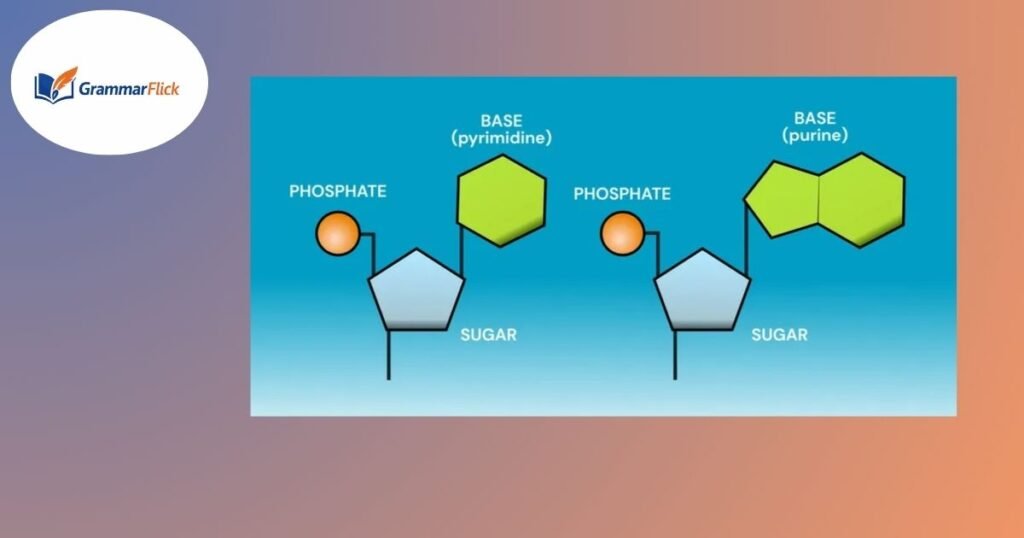
Nucleotide: The Building Block of DNA
A nucleotide is the basic unit of DNA and RNA. It consists of a sugar, a phosphate group, and a nitrogenous base. Sequences of nucleotides form genes, which carry genetic information. Understanding nucleotides is essential for genetics, biotechnology, and medicine. Advances in this area have led to innovations like DNA sequencing and genetic engineering.
Neutrino: The Elusive Particle
A neutrino is an extremely small and nearly massless particle that rarely interacts with matter. Billions of neutrinos pass through the human body every second without being detected.
Neutrinos are produced in nuclear reactions, such as those in the sun. Studying them helps scientists understand fundamental forces and the origins of the universe. Despite their elusive nature, neutrinos are crucial to modern physics.
Final Words
Science words that start with “N” cover a vast range of topics, from microscopic particles like neutrons and nucleotides to large-scale phenomena like nebulae and natural ecosystems. These terms are essential for understanding how the world works, both on Earth and beyond.
By exploring these concepts, we gain deeper insights into life, matter, and the universe. Whether it’s studying neurons in the brain or observing nebulae in space,n words in science highlight the diversity and depth of scientific knowledge. As science continues to evolve, new “N” terms will emerge, further expanding our understanding of the natural world.
Science Words That Start With N FAQs
Why Are n words in science important to learn?
Science terms help us understand complex concepts clearly and communicate ideas effectively in education, research, and everyday life.
What are the Most Important N Science Words?
There isn’t a single most important word, but terms like “neuron,” “nucleus,” and “natural selection” are fundamental across major scientific fields.